











Insoya: The Ultimate Guide to Nutrition, Wellness, and Modern Lifestyle
In today’s health-conscious and environmentally aware world, plant-based nutrition has become a central focus for millions of people. Among the emerging concepts in this field is Insoya, a modern approach to soy-based foods and wellness products. Insoya is not just a food item; it is a holistic concept that combines nutrition, sustainability, culinary versatility, and lifestyle branding. It represents a fusion of traditional soy benefits with modern scientific enhancement, offering solutions for personal health and environmental consciousness.
What is Insoya?
Insoya is derived from soy but represents a modern, reimagined approach to plant-based nutrition. Unlike conventional soy products, Insoya incorporates advanced processing techniques to enhance digestibility, nutrient availability, and overall functionality. It is designed for individuals seeking high-quality plant protein, for wellness-focused consumers, and for culinary innovators looking for versatile ingredients. Beyond nutrition, Insoya serves as a symbolic lifestyle term, representing innovation, mindful living, and conscious dietary choices. Its adaptability allows it to function as both a nutritional product and a cultural concept, appealing to health-conscious communities globally.
Historical Roots of Insoya
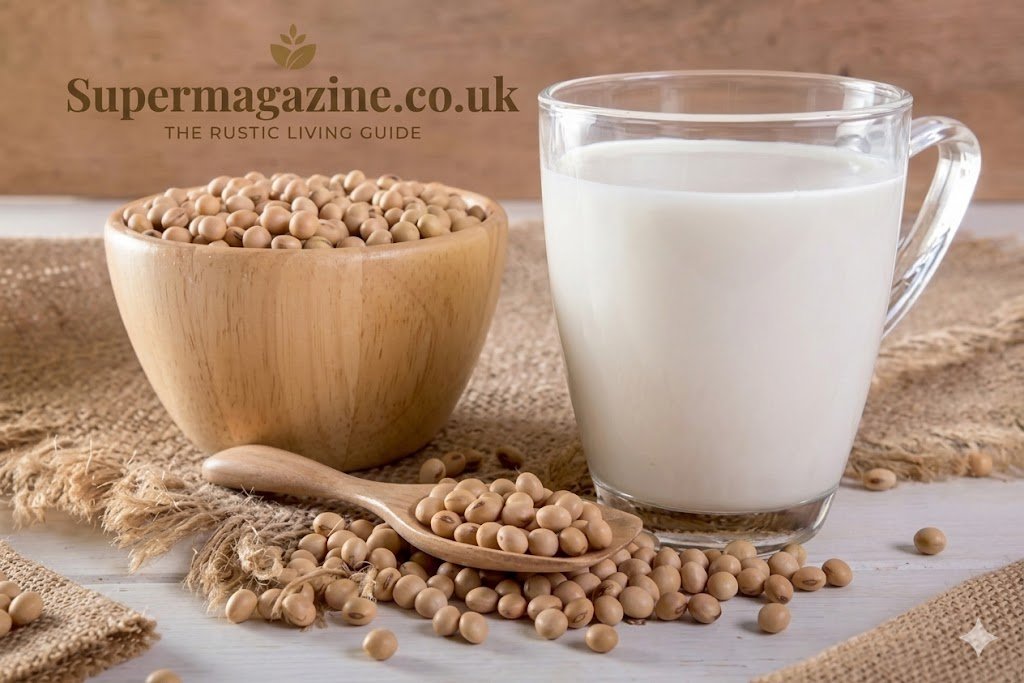
To understand Insoya, it is important to trace the origins of soy. Soybeans have been cultivated in East Asia for thousands of years, primarily in China, Japan, and Korea. Historically, soy has been a staple in the diets of these regions, valued for its high protein content, versatility, and medicinal properties. Traditional soy products such as tofu, miso, tempeh, and soy milk have long been used for both nutrition and culinary innovation. Insoya represents the modern evolution of soy, combining its ancient nutritional benefits with contemporary processing methods and lifestyle-oriented branding. While traditional soy was consumed primarily for sustenance, Insoya integrates science, convenience, and wellness trends, making it suitable for modern diets, supplements, and functional foods.
Nutritional Profile of Insoya
The nutritional value of Insoya is one of its defining features. Insoya provides high-quality plant protein containing all nine essential amino acids, making it comparable to animal-based proteins. The protein content in Insoya can be remarkably high, supporting muscle growth, metabolic health, and overall wellness. In addition to protein, Insoya is often fortified with essential vitamins and minerals such as vitamin B12, iron, calcium, magnesium, and omega-3 fatty acids. These enhancements make it a complete nutrition source for individuals following vegan, vegetarian, or plant-forward diets. Advanced processing methods improve digestibility and nutrient absorption, addressing concerns common with traditional soy products. Furthermore, Insoya’s low saturated fat and high fiber content support heart health, while its inclusion of prebiotic and probiotic components enhances gut health and metabolic function.
Culinary Uses of Insoya
Insoya’s versatility is evident in its culinary applications. It can be consumed as a plant-based milk alternative, integrated into smoothies, coffee, and cereals, or used in savory dishes like soups, stews, and grain bowls. Insoya is also transformed into meat alternatives, including burgers, sausages, and nuggets, allowing for protein-rich meals without animal products. Its mild flavor and smooth texture make it suitable for baked goods, snacks, and desserts, including protein bars, muffins, and energy bites. Beyond home cooking, Insoya is utilized by chefs and food innovators to create fusion dishes that balance taste, nutrition, and presentation, demonstrating its broad adaptability in both everyday and gourmet culinary settings.
Sustainability and Environmental Benefits
Insoya contributes significantly to environmental sustainability. Plant-based proteins such as Insoya generally require less land, water, and energy compared to animal-based proteins, while producing lower greenhouse gas emissions. Its cultivation and production align with global efforts to reduce carbon footprints and promote regenerative agriculture. Many Insoya brands focus on eco-friendly practices, including non-GMO sourcing, minimal pesticide use, and environmentally responsible packaging. These measures enhance Insoya’s environmental credibility and appeal to consumers who prioritize sustainable living. By integrating nutrition with sustainability, Insoya’s represents a model for future food systems that balance human health with environmental responsibility.
Cultural and Lifestyle Significance of Insoya
Insoya’s extends beyond nutrition, embodying a broader lifestyle philosophy. Consuming or engaging with Insoya symbolizes a commitment to wellness, mindfulness, and conscious living. The term itself carries a branding and identity appeal, combining innovation and soy to create a memorable concept that resonates with modern, health-focused audiences. Its cross-cultural neutrality allows Insoya to transcend regional boundaries, making it relevant and adaptable in global markets. By aligning dietary choices with values such as health, sustainability, and cultural awareness, Insoya represents a modern lifestyle choice that integrates wellness with conscious decision-making.
Commercial Applications of Insoya
Insoya has wide-reaching commercial potential. Within the food and beverage industry, it is increasingly used in plant-based milk alternatives, protein-enriched snacks, and functional beverages. In the wellness sector, Insoya is integrated into nutraceuticals and dietary supplements, supporting immunity, muscle health, and metabolic wellness. Beyond food, Insoya’s nutrient-rich properties have sparked interest in cosmetic and personal care applications, including skincare and haircare formulations that utilize soy-derived amino acids. Additionally, Insoya serves as a branding and lifestyle tool for companies and digital platforms seeking a memorable, health-oriented identity that aligns with modern consumer values.
Challenges and Considerations
Despite its benefits, Insoya faces several challenges. Soy allergies remain a concern, necessitating clear product labeling. Genetically modified soy is prevalent worldwide, and consumers increasingly demand transparency regarding sourcing and organic certification. In addition, the perception of soy as a highly processed ingredient may affect consumer acceptance, requiring brands to innovate in flavor and texture. Competition from other plant proteins, such as pea, rice, and hemp, also means that Insoya’s must differentiate itself through unique nutritional profiles, taste, and branding. Addressing these challenges is essential for Insoya’s to achieve widespread adoption.
The Future of Insoya
The future of Insoya’s is promising, as plant-based diets and wellness trends continue to expand globally. Insoya’s is likely to see increased mainstream adoption as a staple in vegan and flexitarian diets. Advances in personalized nutrition may lead to customized Insoya’s products tailored for specific health needs, age groups, or metabolic profiles. Cross-industry applications in wellness, beauty, and lifestyle branding are expected to grow, and its global cultural appeal positions Insoya’s as a symbol of modern, conscious living. As the focus on sustainability, health, and mindful consumption intensifies, Insoya’s is poised to become a central figure in contemporary nutrition and lifestyle choices.
Conclusion
Insoya’s represents a new frontier in plant-based nutrition and wellness, merging the ancient benefits of soy with modern science, lifestyle trends, and sustainability principles. Its versatility spans nutrition, culinary innovation, health, environmental responsibility, and cultural identity. By embracing Insoya’s consumers are not only choosing a nutrient-rich, plant-based food but also aligning themselves with a philosophy of conscious living that balances personal health with the well-being of the planet. Insoya’s is more than food; it is a modern symbol of innovation, wellness, and sustainability, shaping the way we eat, live, and connect with the world around us.