










Heston Blumenthal: Chef, Innovator & Net Worth
Heston Blumenthal is one of the most influential and innovative chefs of our time. Known for his pioneering approach to food, Blumenthal has revolutionized the way we think about dining, blending science, creativity, and culinary art into unforgettable gastronomic experiences. From his Michelin-starred restaurant The Fat Duck to his television appearances, books, and relentless pursuit of perfection, Heston Blumenthal has left an indelible mark on the world of gastronomy.
This article will explore the life, career, restaurants, innovations, achievements, net worth, and lasting impact of Heston Blumenthal, delving into the visionary mind of a chef who continues to push the boundaries of what food can be.
Heston Blumenthal Early Life and Culinary Beginnings
Heston Blumenthal was born on May 27, 1966, in Shepherd’s Bush, London. Growing up in a Jewish family, Blumenthal’s upbringing was far from ordinary. His father, born in Southern Rhodesia (now Zimbabwe), was Jewish, and his mother, a native Englishwoman, converted to Judaism. This diverse background would go on to influence Blumenthal’s creative approach to life and food.
Blumenthal did not follow a traditional path into the culinary world. Rather than attending culinary school, he self-taught through books, trial and error, and sheer determination. His passion for food and cooking was ignited during a trip to France at the age of 16. He visited a three-Michelin-star restaurant in Provence, which inspired him to pursue a career in gastronomy. Blumenthal became fascinated with the possibilities of cooking, not just in terms of flavor but in how food could be scientifically manipulated to evoke new sensations.
After completing his education, Blumenthal entered the world of fine dining, but his journey wasn’t without its challenges. He initially worked in several kitchens, honing his skills, before embarking on a culinary experiment that would change the course of his career.
The Birth of The Fat Duck and a New Era in Gastronomy
In 1995, at the age of 29, Heston Blumenthal took a bold step by purchasing a rundown pub in Bray, Berkshire. This would become the home of The Fat Duck, a restaurant that would eventually put Blumenthal on the map as one of the most influential chefs of his generation. When he first took over the pub, Blumenthal envisioned a space where traditional cooking techniques could be challenged and redefined.
The Fat Duck initially served French-inspired cuisine, but Blumenthal soon began experimenting with new ways of combining flavors and textures. His innovative approach focused on the science behind cooking — a blend of molecular gastronomy and multi-sensory dining. Blumenthal was determined to bring together science and art to create a dining experience that went beyond food, engaging all of the senses in a completely new way.
Breaking Boundaries with Molecular Gastronomy
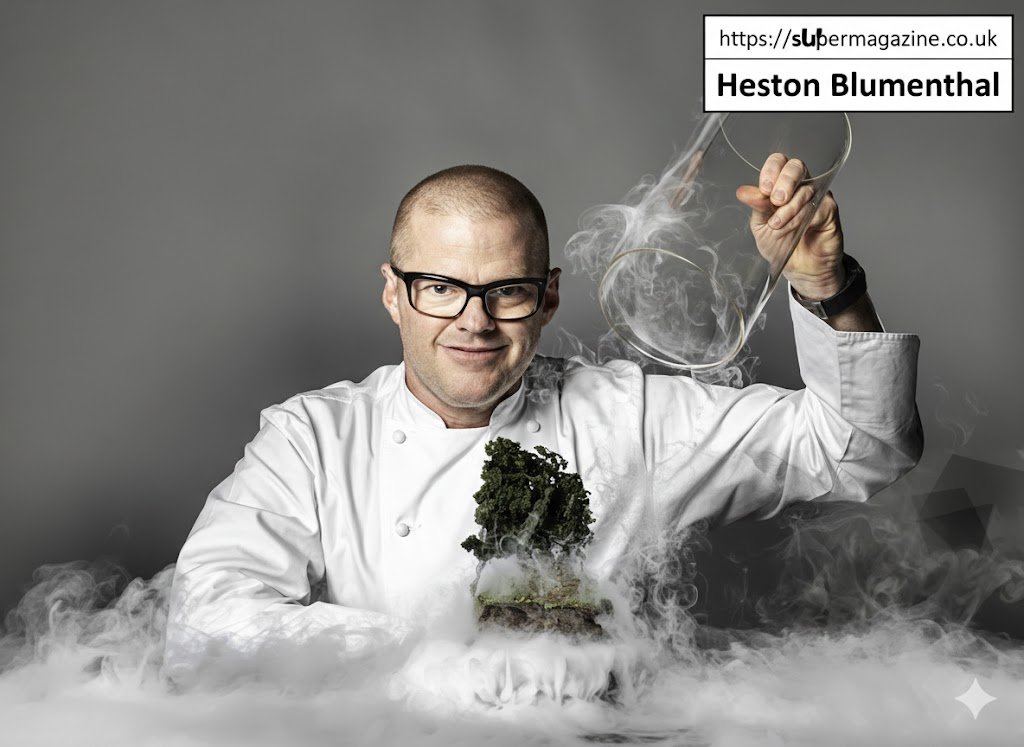
Blumenthal’s focus on molecular gastronomy — a field that blends food science with cooking — became a defining feature of The Fat Duck. His use of liquid nitrogen, foams, gels, and unexpected flavor combinations raised eyebrows and stunned diners. One of his most famous dishes, snail porridge, exemplified his love for unconventional ingredients and textures. The dish featured a combination of snails, oats, and garlic foam, challenging diners’ preconceived notions about food.
Blumenthal’s approach didn’t just stop at taste; he was also fascinated by how food could evoke different emotions and sensory experiences. In The Fat Duck, dishes were not merely eaten; they were experienced. From eating in the dark to interacting with food in playful ways, Blumenthal ensured that every meal was an exploration of the senses.
Heston Blumenthal Michelin Stars and International Recognition
The success of The Fat Duck was swift and remarkable. In 1999, just four years after opening, the restaurant received its first Michelin star. Blumenthal’s unconventional techniques began to gain widespread attention, and his reputation as a boundary-pushing chef grew. By 2001, The Fat Duck had earned a second Michelin star, and in 2004, it was awarded a prestigious third Michelin star, cementing Blumenthal’s place in the culinary elite.
In addition to the Michelin stars, The Fat Duck garnered several other accolades, including being named the Best Restaurant in the World by The World’s 50 Best Restaurants in 2005. This recognition brought Blumenthal international acclaim, and he became one of the most sought-after chefs in the world.
Blumenthal’s philosophy — that cooking is as much about science as it is about art — influenced many other chefs who began to adopt similar techniques in their own kitchens. Blumenthal was at the forefront of a culinary revolution that combined creativity, technology, and science to create new dining experiences.
The Expansion of Heston Blumenthal Culinary Empire
Building on the success of The Fat Duck, Blumenthal expanded his reach with several other restaurants and culinary ventures. In 2011, he opened Dinner by Heston Blumenthal in London, which became an immediate success and earned a Michelin star. Dinner is known for Blumenthal’s reinterpretation of historical British dishes using modern cooking techniques. For example, his signature dish, meat fruit, is a visually stunning creation that looks like a mandarin orange but is actually made of chicken liver pâté.
Blumenthal continued to expand his empire internationally, opening locations in Dubai and other key cities. His restaurant empire became a symbol of culinary excellence, with each venue maintaining the high standards set by The Fat Duck. Blumenthal’s culinary style remained focused on pushing the boundaries of what food could do, often employing cutting-edge techniques to surprise and delight diners.
Heston Blumenthal Television, Books, and Global Influence
Heston Blumenthal’s influence goes beyond the kitchen. His charismatic personality and dedication to pushing the boundaries of cooking made him a natural fit for television. Blumenthal hosted several popular cooking shows, including Heston’s Feasts, where he combined history, science, and gastronomy to create extravagant, sometimes fantastical, dishes. These shows further cemented his status as a celebrity chef, and they introduced millions of viewers to his innovative approach to food.
Blumenthal is also a prolific author, having published several books that delve into his cooking philosophy and showcase his signature dishes. His books, including “The Fat Duck Cookbook” and “Heston Blumenthal at Home”, are widely regarded as essential reading for aspiring chefs and food enthusiasts. These works provide insight into Blumenthal’s creative process, his experiments with flavor, and his passion for the science behind cooking.
Heston Blumenthal Net Worth and Financial Success
As of 2026, Heston Blumenthal’s estimated net worth is reported to be between $10 million and $30 million USD. This wealth comes from his successful restaurant empire, television appearances, book sales, and brand endorsements. While Blumenthal’s financial success is significant, much of his wealth is tied to the operation of his world-class restaurants, which generate millions in revenue each year.
Blumenthal’s influence on the culinary world has also allowed him to collaborate with various brands, from kitchen equipment manufacturers to luxury food producers. His entrepreneurial spirit and innovative ideas have made him not only a star chef but also a savvy businessman with a diversified income stream.
Heston Blumenthal Personal Life and Challenges
Behind the fame and success, @Blumenthal’s personal life has had its challenges. In interviews, he has opened up about his struggles with bipolar disorder and the toll that the pressures of running a top-tier restaurant have had on his mental health. Blumenthal has been candid about how these challenges have affected his relationships and personal well-being, but he continues to push forward, using his experiences to inform his work and personal life.
In addition to his mental health challenges, Blumenthal is a family man. He is married and has three children. Despite his busy schedule, Blumenthal has emphasized the importance of maintaining a work-life balance and making time for his family.
Heston Blumenthal Legacy and Impact on Modern Cuisine
Heston Blumenthal’s impact on the culinary world cannot be overstated. He has redefined the way chefs approach food, infusing science into the art of cooking. His work has inspired countless chefs and food enthusiasts to think outside the box, challenge traditions, and embrace the unexpected.
Blumenthal’s contributions go beyond individual dishes; he has fundamentally altered the way restaurants operate, the way food is presented, and the role of science in cooking. His work with molecular gastronomy has opened up new possibilities for chefs and has led to the creation of entirely new dining experiences that engage all of the senses.
Perhaps Blumenthal’s greatest legacy is his ability to make food an experience — one that transcends simple nourishment and becomes a form of art, science, and sensory exploration.
Conclusion
Heston Blumenthal is not just a chef; he is a visionary who has forever altered the course of modern cuisine. Through his groundbreaking work at The Fat Duck, his television programs, his books, and his continued innovations, Blumenthal has become a symbol of culinary excellence and creativity. His approach to food, which blends science and art, has inspired a generation of chefs and transformed the world of fine dining.
Blumenthal’s success is a testament to his unwavering commitment to innovation, his fearless experimentation with flavors, and his ability to turn food into a multi-sensory experience. As he continues to push the boundaries of what is possible in the kitchen, there is no doubt that Heston Blumenthal’s legacy will endure for generations to come.