











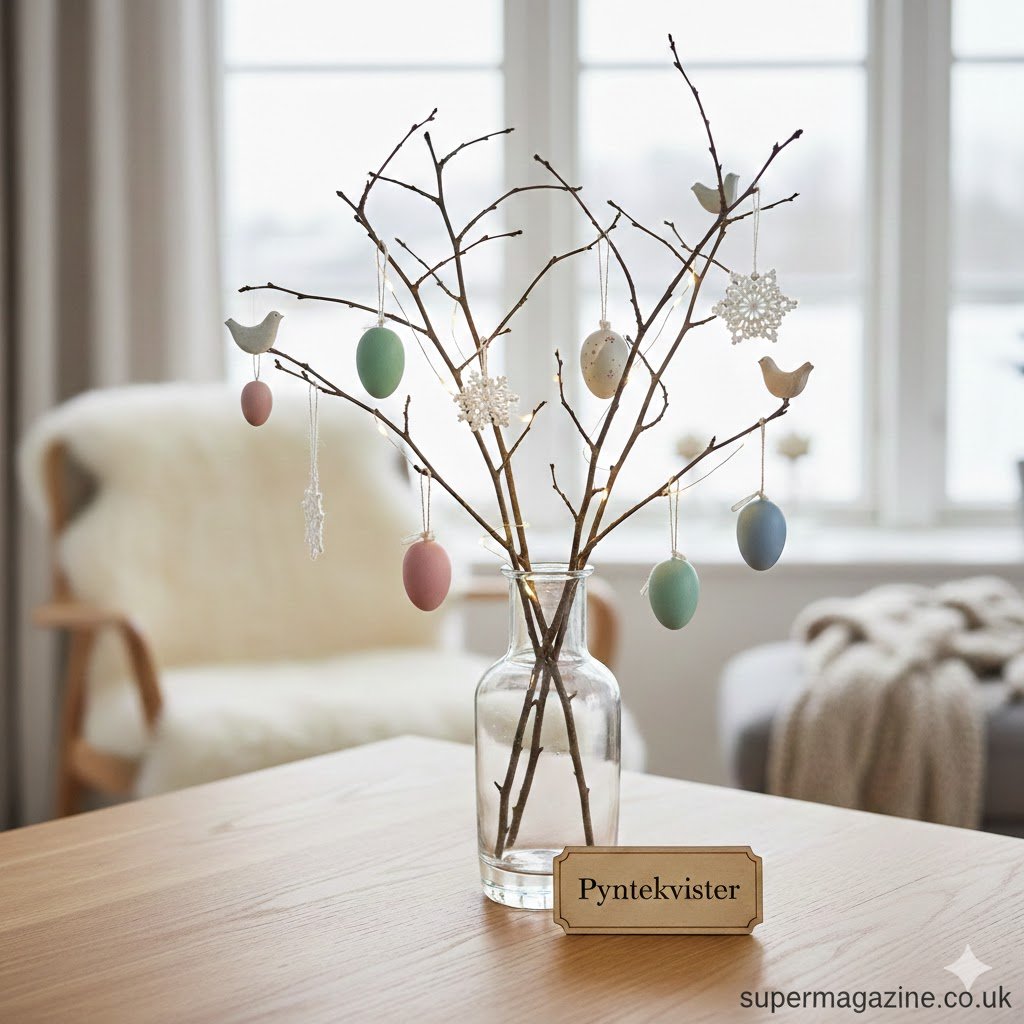
Pyntekvister: Scandinavian Decorative Twigs for Modern Design
Pyntekvister is a traditional Scandinavian term referring to decorative twigs or branches that are used as ornaments or design elements in various settings, such as homes, seasonal events, and artistic displays. The word pyntekvister is derived from the Norwegian language, with “pynte” meaning “to decorate” and “kvister” meaning “twigs” or “branches.” This unique tradition holds significant cultural and symbolic value in the Nordic region, reflecting the deep connection between the people and nature.
In this comprehensive article, we’ll explore the history, meaning, symbolism, and modern uses of pyntekvister, as well as how you can incorporate this natural form of decoration into your own home or seasonal celebrations.
1. What Is Pyntekvister?
At its core, pyntekvister refers to decorative branches, twigs, or stems used for home decoration or as part of seasonal celebrations in Scandinavian countries. These branches are often arranged in a way that highlights their natural beauty, texture, and form, creating a minimalist yet impactful visual appeal. In addition to their decorative use, pyntekvister can also have symbolic meanings that relate to the cycles of nature, seasons, and the harmony between humans and their environment.
Whether placed in a vase, hung on a wall, or used as part of a larger festive display, pyntekvister adds a touch of nature to any space, creating warmth and connection to the outdoors.
2. The Origins of Pyntekvister
2.1 Scandinavian Tradition and Nature’s Influence
The practice of using natural twigs, branches, and other flora for decoration is deeply rooted in Nordic culture, where the harsh winters and long periods of darkness encouraged the people to celebrate the changing seasons through symbolic gestures. Pyntekvister became a way to bring a piece of nature inside, providing a visual connection to the outdoors during the long, cold months.
In Scandinavian countries, where design is often influenced by the landscape, people began using twigs and branches in their homes and festivals to honor the seasons. This practice aligned with the broader Scandinavian values of simplicity, functionality, and natural beauty — principles that still influence contemporary Scandinavian design today.
2.2 Seasonal and Ritual Significance
Over time, pyntekvister evolved beyond a purely decorative element. These branches and twigs became symbolic representations of different seasons and rituals. In particular:
- Spring: Budding twigs signifying renewal and growth.
- Summer: Lush green branches representing vitality and abundance.
- Autumn: Dried branches symbolizing harvest, reflection, and transition.
- Winter: Evergreen and bare twigs symbolizing endurance, strength, and calm.
Each season was honored with specific pyntekvister arrangements that reflected nature’s rhythms, celebrating both the endings and beginnings inherent in the natural world. These twigs were not only used as decoration but also symbolized a deeper connection to the natural cycles of life.
3. The Symbolism of Pyntekvister
The use of pyntekvister is imbued with symbolism, much of which ties into the broader cultural context of Scandinavian living and design. Let’s explore the deeper meanings behind this practice.
3.1 Seasonal Rhythms
Each season’s pyntekvister displays are tied to natural cycles, and their meanings are deeply embedded in the values of the Nordic people:
- Spring brings renewal and hope, with fresh branches representing the beginning of a new cycle.
- Summer emphasizes growth and vitality, with twigs full of leaves symbolizing the flourishing abundance of life.
- Autumn signals reflection and transformation, where dried twigs and branches invoke a sense of contemplation.
- Winter, with its stark, bare branches, symbolizes resilience and endurance, providing a sense of calm amidst the harsh conditions.
This seasonal connection helps people stay grounded in nature, making pyntekvister not just a decorative item but a reflection of the changing world around them.
3.2 Connection to Nature
The symbolism of pyntekvister also highlights the deep connection the Scandinavian people feel to nature. This bond is reflected in the Scandinavian lifestyle, which prioritizes sustainability, minimalism, and natural beauty. Incorporating elements of the outdoors into the home through pyntekvister reinforces the importance of staying in touch with the environment, even during the long, cold winters.
3.3 Mindful Living
Pyntekvister also aligns with the values of mindful living and simplicity that are central to Scandinavian culture. The process of selecting and arranging branches becomes a moment of reflection and connection to the present. This practice encourages mindfulness — a key concept in Scandinavian life that emphasizes intentionality and connection to the moment.
4. Pyntekvister in Modern Design
4.1 The Rise of Natural Decor
In modern design, pyntekvister has found its place as part of the natural décor movement. As people seek more sustainable and mindful ways to decorate their homes, pyntekvister offers a simple yet powerful way to bring the outdoors inside. Natural materials like twigs and branches align perfectly with the growing demand for eco-friendly and minimalist home décor.
Pyntekvister fits seamlessly with the principles of biophilic design, which seeks to connect people with nature through design elements that mimic natural surroundings. Whether displayed as a single twig in a minimalist vase or as part of a more elaborate seasonal arrangement, pyntekvister adds organic texture and beauty to any interior space.
4.2 Scandinavian Aesthetic in Home Decor
The beauty of pyntekvister lies in its simplicity and versatility. Whether used in a modern minimalist space, a rustic farmhouse setting, or a Scandinavian-inspired home, these natural twigs serve as understated, elegant accents. The inherent neutral tones and organic shapes of pyntekvister enhance the aesthetic of any room, bringing a touch of nature indoors.
Today, you’ll find pyntekvister used in various styles:
- Scandinavian design: Simple, clean lines with a focus on nature.
- Bohemian decor: A relaxed, eclectic look where twigs are combined with other natural materials.
- Modern minimalism: Using pyntekvister as a single, striking design element.
5. Creative Ways to Incorporate Pyntekvister in Your Home
5.1 Vase Arrangements
One of the most popular ways to use pyntekvister is by placing them in a simple vase. The long, slender twigs can be arranged in tall vases, providing a striking focal point for any room. The beauty of pyntekvister lies in their simplicity — they don’t need additional decorations to make an impact.
5.2 Seasonal Centerpieces
Another creative use of pyntekvister is in seasonal centerpieces. During winter holidays, twigs can be arranged with evergreen sprigs, pine cones, and festive lights to create a natural, rustic centerpiece for your table. In spring, you can add flowering twigs to evoke renewal and life.
5.3 Wall Displays
For a more artistic touch, pyntekvister can be used as wall decorations. You can hang small branches or create twig arrangements that mimic the appearance of trees or other organic shapes. This brings nature to your walls and adds texture and warmth to your living space.
5.4 DIY Crafting
If you’re into DIY crafts, pyntekvister offers endless possibilities for creative projects. You can make everything from wreaths to hanging mobiles or twisted branches that form geometric shapes. The beauty of these natural materials is that they can be shaped, painted, or adorned in countless ways.
6. Caring for Pyntekvister
6.1 Drying and Preserving
Most pyntekvister are naturally dried, but if you’re using fresh twigs, it’s important to dry them properly to avoid mold or rot. Simply hang them upside down in a dry, cool space with good airflow.
6.2 Cleaning and Maintenance
To keep your @pyntekvister looking fresh, clean them gently with a soft brush or cloth to remove any dust. You can also spray them with a light coat of varnish or sealant to preserve their appearance and longevity.
7. Pyntekvister in Festivals and Celebrations
Pyntekvister plays an important role in Scandinavian festivals, marking seasonal changes and celebrating cultural events. For example:
- Christmas: Twigs are often arranged with candles, ribbons, and evergreens to create festive displays.
- Easter: Branches with birch twigs are used to celebrate the arrival of spring, decorated with colored feathers or eggs.
- Midsummer: Twigs are woven into flower crowns and used to decorate outdoor celebrations.
These seasonal traditions keep the connection to nature alive and well in modern celebrations.
Conclusion
Pyntekvister is more than just a decoration; it is a celebration of nature, simplicity, and seasonal connection. Rooted deeply in Scandinavian traditions, pyntekvister’s brings the outdoors into your home, offering beauty, symbolism, and mindfulness. Whether you are incorporating it into your home décor, crafting seasonal arrangements, or using it for cultural celebrations, pyntekvister offers endless possibilities for creative expression and connection with the natural world.
By embracing pyntekvister’s, you invite not just beauty, but a sense of calm, balance, and renewal into your living space — a true reflection of nature’s timeless rhythms.