










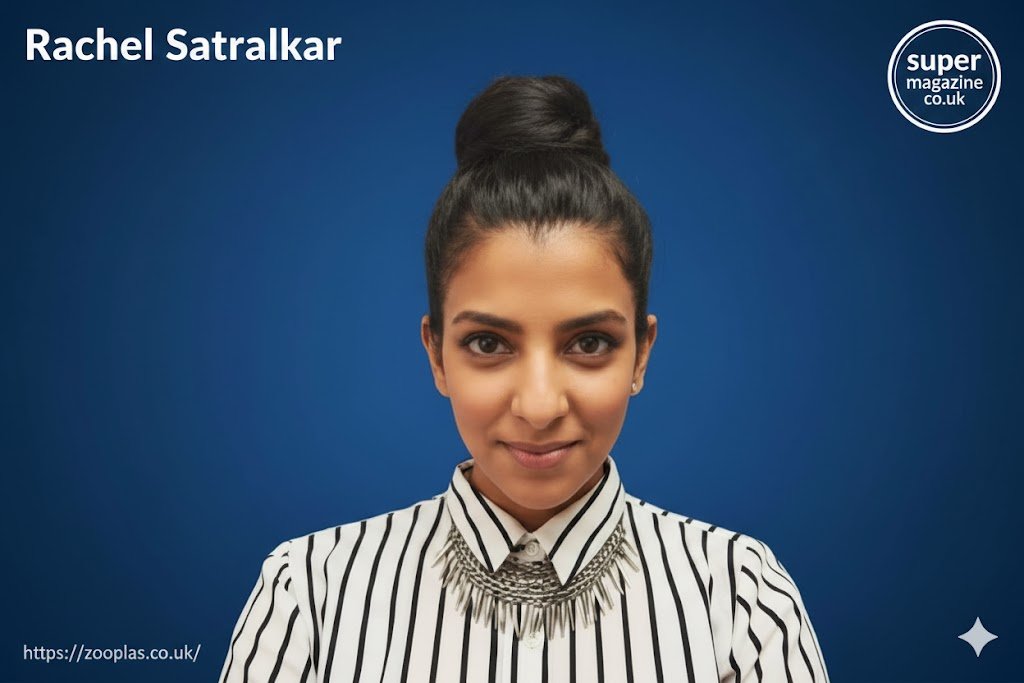
Rachel Satralkar: The Visionary Educator Shaping Global Learning
Introduction
Rachel Satralkar is a well-respected name in international education, known for her expertise in curriculum development, teaching methodologies, and leadership roles within the International Baccalaureate (IB) Middle Years Programme (MYP). While not a household name, Satralkar’s impact in the world of education is significant, especially in fostering environments that emphasize learner-centered teaching, global citizenship, and critical thinking. Through her work, she has helped shape both the minds of students and the practices of teachers, creating a lasting legacy in the schools and communities she has worked with.
This article provides an in-depth look at Rachel Satralkar’s life, career, contributions, and educational philosophy, shedding light on the work of this inspiring global educator.
Rachel Satralkar Early Life and Academic Foundation
Rachel Satralkar’s early life is somewhat private, with limited details available in public records. However, it is known that she was born and raised in India, where she developed a passion for education. Growing up in a family that placed a strong emphasis on learning and intellectual curiosity, Satralkar was naturally drawn to the world of teaching. Her academic journey began with a strong foundation in English literature, which would later shape her career in education.
Her formal academic qualifications include:
- Master of Arts in English — University of Pune (India)
- Post‑Graduate Diploma in International Education, focusing on global pedagogies and student-centered learning environments
Rachel’s academic pursuits were followed by further professional development, particularly in curriculum design, instructional leadership, and pedagogical strategies, which laid the groundwork for her future as a transformative educator.
Rachel Satralkar Early Career and Transition to International Education
Rachel began her career as a traditional classroom teacher in India. She initially focused on English literature, where she quickly realized the limitations of conventional education systems. She was determined to find a way to go beyond rote memorization and passive learning. This desire for change led her to pursue a career in international education, particularly with the International Baccalaureate (IB) programs that emphasize critical thinking, global awareness, and active student participation.
Her first significant role in international education was at Indus International School in Pune, where she contributed to refining and implementing Cambridge IGCSE and IB curricula. Her work there highlighted her ability to adapt to diverse student needs and engage with learners through inquiry-based and project-based methodologies.
Rachel’s career continued to evolve as she took on more responsibilities, including curriculum development, teacher mentorship, and global learning initiatives. At this stage, her growing reputation as an educator led her to seek opportunities outside India, allowing her to broaden her influence within the international education community.
Leadership in International Education: Rachel Satralkar The MYP Coordinator Role
One of the defining chapters in Rachel Satralkar’s career is her role as the Middle Years Programme (MYP) Coordinator at XCL World Academy in Singapore, a prominent institution known for its commitment to international education standards. In this role, she was responsible for overseeing the MYP curriculum, ensuring its alignment with the IB philosophy, and guiding both teachers and students through this rigorous program.
What Is the IB MYP?
The International Baccalaureate Middle Years Programme (MYP) is designed for students aged 11 to 16 and focuses on developing well-rounded individuals who can think critically and act ethically. The program emphasizes:
- Interdisciplinary learning: Connecting subjects across the curriculum to enhance real-world application
- Inquiry-based learning: Encouraging students to ask questions, investigate, and discover answers for themselves
- Global citizenship: Preparing students to understand and address global challenges
- Learner autonomy: Promoting self-directed learning and critical thinking
Satralkar’s leadership within this framework is built around fostering environments where both teachers and students are encouraged to pursue deep, meaningful learning experiences. She helped shape the curriculum structure, assessment methods, and professional development programs for educators at XCL World Academy, making it one of the most respected IB schools in the region.
Educational Philosophy: Rachel Satralkar Transformative Learning for the Global Citizen
Rachel’s educational philosophy centers on learner agency and global citizenship. As an advocate of student-centered learning, she believes that education should empower students to take charge of their learning journey and connect classroom knowledge to real-world contexts.
1. Learner-Centered Education
Rachel strongly believes that students should not be passive recipients of knowledge but active participants in their learning process. By adopting project-based learning, inquiry-driven tasks, and real-world problem-solving activities, she ensures that students engage with material in a meaningful way, fostering critical thinking and creativity.
Her approach focuses on:
- Inquiry: Encouraging students to ask questions and explore topics that are relevant to their own experiences and interests.
- Collaboration: Promoting teamwork and communication skills through group projects, discussions, and peer learning opportunities.
- Reflection: Helping students build self-awareness by engaging in reflective practices that guide them to assess their own learning progress and goals.
2. Global Citizenship
As the world becomes increasingly interconnected, Rachel emphasizes the importance of developing global citizens who are empathetic, ethical, and aware of the challenges faced by communities around the world. By weaving global issues (such as climate change, human rights, and cultural diversity) into the curriculum, she encourages students to think beyond their immediate surroundings and understand their role in creating positive change.
3. Teacher Empowerment and Professional Development
Rachel’s leadership extends beyond students to include teacher empowerment. She recognizes that educators play a pivotal role in shaping the learning experience and, therefore, advocates for continuous professional development. Through workshops, mentorship programs, and collaborative planning, she supports teachers in adopting innovative pedagogical practices that foster student engagement and learning.
Rachel Satralkar Impact and Contributions to Education
@Rachel Satralkar’s work has had a profound impact on both educators and students, helping shape educational practices and mindsets that emphasize global perspectives, critical inquiry, and student autonomy.
1. Impact on Students
Under her leadership, students have not only excelled academically but have also developed the essential skills needed to thrive in the modern world. These include:
- Critical thinking: The ability to analyze information, identify patterns, and make informed decisions.
- Collaboration: Students are encouraged to work with their peers, building teamwork and communication skills.
- Global awareness: By tackling global issues and embracing cultural diversity, students develop an understanding of the interconnectedness of our world.
Her work ensures that students are prepared for success in higher education and beyond, with a well-rounded skill set that is essential in today’s complex world.
2. Impact on Teachers
Rachel has also made significant contributions to teacher development. Through her mentorship and professional development programs, she has helped educators improve their instructional practices, adopt new technologies, and engage in reflective practices that enhance their teaching effectiveness. This focus on teacher growth has led to more dynamic, effective classrooms where both educators and students can thrive.
Challenges and Future Outlook
Like many educators, Rachel has faced challenges in her career. Resistance to change, resource limitations, and cultural adaptations are common obstacles when implementing new educational frameworks. However, Rachel has continuously overcome these challenges by promoting incremental change, fostering collaboration among teachers, and advocating for pragmatic solutions.
Looking ahead, Rachel’s future vision includes:
- Expanding the integration of socio-emotional learning into curricula.
- Advocating for sustainability and environmental responsibility within educational frameworks.
- Creating global partnerships for learning, helping students collaborate and share knowledge across borders.
- Refining teacher training programs to ensure educators are equipped with the tools they need to succeed in the ever-evolving educational landscape.
Conclusion
Rachel Satralkar’s career reflects a commitment to transforming education, one student and one teacher at a time. Through her innovative work in curriculum development, teacher mentorship, and global education, she has left an indelible mark on the field. By emphasizing learner autonomy, global citizenship, and collaborative problem-solving, she is shaping the next generation of thinkers, innovators, and change-makers.
As the world continues to change, Rachel’s influence will undoubtedly extend further, as she continues to inspire educators and students alike to embrace a future where education is not just about acquiring knowledge but about using that knowledge to create a better, more connected world.