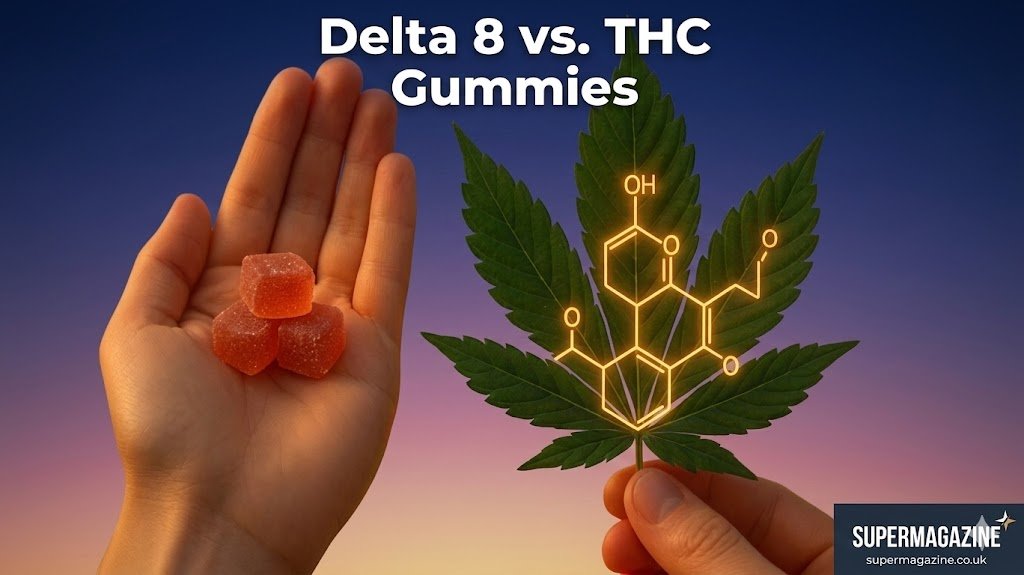












THC Gummies: A Complete Guide to Cannabis Edibles, Effects, Uses, Safety, and Legal Status
Introduction
THC gummies have become one of the most popular ways people consume cannabis in modern times. As cannabis legalization spreads across many regions of the world, edible products infused with tetrahydrocannabinol (THC) are increasingly available in dispensaries and online marketplaces. Among these edibles, gummies stand out due to their convenience, flavor variety, discreet consumption, and long‑lasting effects.
Unlike smoking or vaping cannabis, THC gummies are consumed orally and digested by the body before entering the bloodstream. This method of consumption changes the way THC affects the body, producing a slower onset but longer duration of effects. For many users, this makes gummies an appealing alternative to traditional cannabis use.
However, THC gummies are not without controversy. Questions about dosage, health risks, legal restrictions, and safe consumption practices have made them a subject of ongoing debate among medical professionals, policymakers, and consumers. Understanding how THC gummies work and how they affect the body is essential for anyone considering using them.
This comprehensive guide explores everything about THC gummies, including how they are made, how they work, their effects, potential benefits, risks, legal status, and responsible consumption practices.
What Are THC Gummies?
THC gummies are edible candies infused with tetrahydrocannabinol, the psychoactive compound found in cannabis plants. THC is responsible for producing the “high” associated with marijuana consumption, affecting mood, perception, cognition, and physical sensations.
These gummies are typically made using cannabis extracts such as THC distillate or cannabis oil. The extract is mixed into a gummy candy base that contains ingredients like gelatin or pectin, sugar, flavoring, and coloring. The result is a candy-like product that looks similar to regular gummies but contains measured amounts of THC.
One of the main reasons THC gummies have become so popular is their ease of use. They are portable, discreet, and do not require special equipment such as rolling papers or vaporizers. Because they resemble common candy, they are also appealing to new users who may not be comfortable with smoking cannabis.
THC gummies come in many different flavors, shapes, and strengths. Some products contain only THC, while others combine THC with other cannabinoids like CBD to modify the effects. The amount of THC in each gummy varies widely depending on the product and regulatory environment.
How THC Gummies Work in the Body
When someone consumes THC gummies, the body processes the THC differently compared with inhaled cannabis. Instead of entering the bloodstream through the lungs, the THC passes through the digestive system and is metabolized by the liver.
During this process, THC is converted into a compound called 11‑hydroxy‑THC. This metabolite is believed to produce stronger psychoactive effects than THC itself. As a result, edible cannabis products often feel more intense and last longer than inhaled cannabis.
Because digestion takes time, the effects of THC gummies usually take between thirty minutes and two hours to begin. This delay can cause confusion for inexperienced users who expect immediate results. Some people may consume additional gummies before the first dose has taken effect, which can lead to excessive intoxication.
Once the effects begin, they can last several hours. Many users report feeling the effects for four to eight hours, although this can vary based on dosage, metabolism, body weight, and tolerance.
Types of THC Gummies
The cannabis market offers a wide variety of THC gummies designed to meet different preferences and needs. These products vary based on the type of THC used, potency, and formulation.
Some gummies are made with delta‑9 THC extracted directly from cannabis plants. These are commonly sold in licensed dispensaries in regions where recreational or medical marijuana is legal.
Other gummies are made using hemp‑derived cannabinoids such as delta‑8 THC or delta‑10 THC. These compounds are chemically similar to delta‑9 THC but may produce milder psychoactive effects. Hemp‑derived products gained popularity due to legal loopholes that allowed them to be sold in certain markets.
Additionally, some gummies combine THC with cannabidiol (CBD). CBD is a non‑intoxicating cannabinoid that may reduce some of THC’s psychoactive intensity. Products with balanced THC and CBD ratios are often marketed to users seeking therapeutic effects without overwhelming intoxication.
Effects of THC Gummies
The effects of THC gummies can vary significantly depending on dosage, user tolerance, and individual biology. However, several common effects are widely reported by users.
Many people experience feelings of relaxation and euphoria after consuming THC gummies. Mood enhancement and a sense of calm are among the most frequently described effects. These sensations may contribute to the popularity of cannabis edibles among individuals seeking stress relief.
THC can also alter sensory perception. Colors, sounds, and textures may feel more vivid or intense. Time perception may change as well, making minutes feel longer than usual.
Another common effect is increased appetite, sometimes referred to as “the munchies.” THC interacts with receptors in the brain that regulate hunger, which can lead to stronger cravings for food.
Some users report enhanced creativity or introspective thinking while under the influence of THC. However, the experience can vary widely depending on the individual and the environment in which the gummies are consumed.
Potential Therapeutic Uses THC Gummies
Although THC gummies are often used recreationally, they may also have therapeutic applications. Cannabis has been studied for its potential to alleviate certain medical conditions, and edible forms offer an alternative delivery method.
Some patients use THC gummies to manage chronic pain. THC interacts with the body’s endocannabinoid system, which plays a role in regulating pain perception. By activating cannabinoid receptors, THC may help reduce discomfort associated with conditions such as arthritis or neuropathy.
Another potential use involves managing nausea and vomiting. Cannabis‑derived medications have been used to help cancer patients undergoing chemotherapy who experience severe nausea.
Sleep improvement is another commonly reported benefit. Many people find that THC helps them relax and fall asleep more easily. Low doses of THC may promote sleep, although high doses can sometimes have the opposite effect.
THC gummies are also sometimes used by individuals dealing with anxiety or stress. However, the relationship between THC and anxiety is complex, and higher doses can sometimes trigger anxiety rather than relieve it.
Risks and Side Effects
Despite their potential benefits, THC gummies can also produce negative side effects, particularly when consumed in large amounts.
One of the most common problems is overconsumption. Because the effects take time to appear, people may mistakenly believe that the gummies are not working and consume additional doses. This can lead to intense intoxication that may include dizziness, nausea, confusion, and anxiety.
THC can impair memory and cognitive function temporarily. Users may find it difficult to concentrate, recall information, or perform complex tasks while under the influence.
Anxiety and paranoia are also possible side effects. Some individuals are more sensitive to THC and may experience panic attacks or feelings of unease after consuming high doses.
Physical side effects may include dry mouth, red eyes, increased heart rate, and fatigue. While these effects are usually temporary, they can be uncomfortable.
In rare cases, extremely high doses of THC may lead to severe symptoms such as hallucinations or extreme confusion. These reactions typically resolve with time but can be distressing for the individual experiencing them.
Accidental Consumption Risks
One of the biggest safety concerns surrounding THC gummies is accidental ingestion, especially by children and pets. Because these products often resemble regular candy, they can be mistaken for ordinary sweets.
Cases of accidental consumption have been reported in emergency rooms, particularly in regions where cannabis edibles are widely available. Children who ingest THC gummies may experience severe drowsiness, confusion, or breathing difficulties.
To prevent such incidents, many jurisdictions require cannabis edibles to be sold in child‑resistant packaging. Responsible users should also store THC gummies in secure locations that are inaccessible to children or animals.
Legal Status of THC Gummies
The legality of THC gummies varies widely depending on location. In some countries and regions, cannabis products are fully legal for recreational use. In others, only medical cannabis is permitted.
In the United States, federal law historically classified marijuana as a controlled substance. However, individual states have enacted their own laws permitting medical or recreational cannabis use. As a result, THC gummies may be legal in some states while remaining prohibited in others.
Hemp‑derived THC products occupy a complicated legal space. The 2018 Farm Bill legalized hemp products containing less than 0.3 percent delta‑9 THC by dry weight. This led to the emergence of hemp‑derived THC edibles in some markets.
However, ongoing legislative changes may alter the legal landscape for these products. Consumers should always verify local regulations before purchasing or using THC gummies.
Responsible Consumption THC Gummies
Responsible use of THC gummies begins with understanding dosage. Beginners are often advised to start with a very small amount, typically between 2.5 and 5 milligrams of THC. This allows the user to gauge how their body reacts before consuming additional doses.
Patience is essential when using edibles. Because the onset of effects is delayed, users should wait at least two hours before deciding whether to take more.
It is also important to consume THC gummies in a safe and comfortable environment. Using cannabis in unfamiliar or stressful situations can increase the likelihood of negative experiences.
Avoiding activities such as driving or operating heavy machinery while under the influence of THC is critical. THC can impair reaction time and judgment, increasing the risk of accidents.
THC Gummies and the Cannabis Industry
The rise of THC gummies reflects broader changes in the cannabis industry. As legalization expands, consumer demand has shifted toward products that are convenient, discreet, and easy to dose.
Edible cannabis products have become a major segment of the cannabis market. Gummies, chocolates, beverages, and baked goods now make up a significant portion of cannabis sales in many legal markets.
Manufacturers continue to innovate with new flavors, formulations, and technologies. Some companies are developing fast‑acting gummies that deliver effects more quickly by improving THC absorption in the body.
Micro‑dosing products are also gaining popularity. These products contain smaller amounts of THC per serving, allowing users to control their experience more precisely.
Cultural and Social Impact THC Gummies
THC gummies have played a role in shifting cultural attitudes toward cannabis. The availability of edible products has made cannabis more accessible to people who may not be interested in smoking.
At the same time, the candy‑like appearance of gummies has raised concerns among public health experts. Some worry that appealing packaging and flavors could attract younger audiences or normalize cannabis consumption.
Education and responsible marketing are important factors in addressing these concerns. As the cannabis industry evolves, regulators and businesses continue to balance consumer demand with public health considerations.
The Future of THC Gummies
The future of THC gummies’s is likely to be shaped by advancements in cannabis research, technology, and regulation. Scientists are continuing to study how cannabinoids interact with the human body and how they can be used safely and effectively.
New production methods may lead to more precise dosing and consistent effects. Improved testing standards may also increase consumer confidence in cannabis edibles.
As legalization expands globally, the market for THC gummies’s may continue to grow. However, regulatory frameworks will likely play a crucial role in determining how these products are produced, marketed, and sold.
Conclusion
THC gummies’s represent one of the most popular forms of cannabis consumption today. Their discreet nature, pleasant flavors, and long‑lasting effects make them appealing to both recreational users and individuals seeking potential therapeutic benefits.
However, understanding how these products work is essential for safe use. The delayed onset of effects, potential for overconsumption, and varying legal status all highlight the importance of responsible consumption and education.
As the cannabis industry continues to evolve, THC gummies’s will likely remain a prominent part of the market. By staying informed about their effects, risks, and legal considerations, consumers can make better decisions about whether and how to incorporate these products into their lives.