











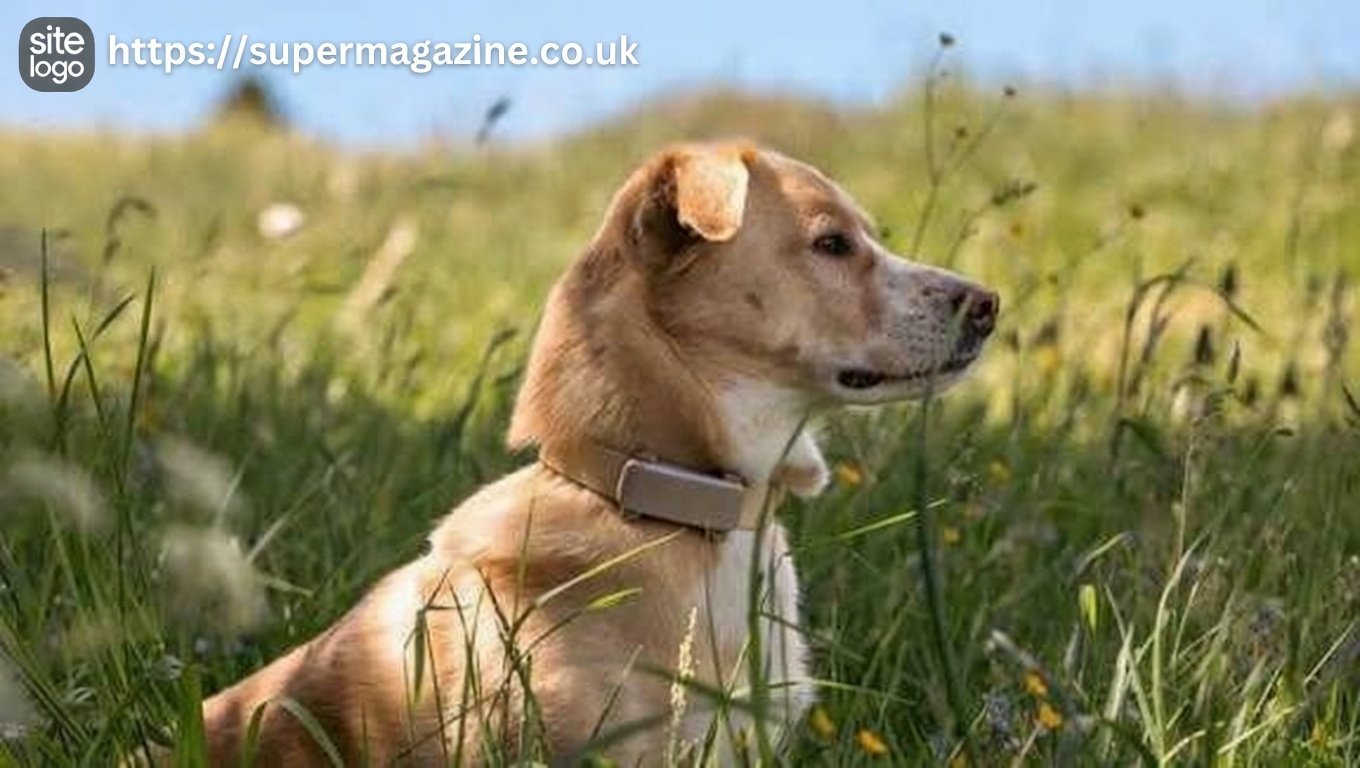
Top Dog Trackers to Consider: Ultimate Guide for Pet Owners
Dogs are more than pets—they’re family members. And just like any family member, their safety and well-being are a priority. Even the most well-trained dog can wander off during walks, outdoor play, or adventures. This is where Top Dog Trackers to Consider come in: devices designed to monitor your dog’s location, activity, and even health in real time.
With the surge of technology in pet care, dog trackers have evolved from simple GPS collars to smart, multifunctional devices that offer comprehensive monitoring. Choosing the right tracker can be overwhelming due to the variety of options, features, and price points. This guide explores everything you need to know about dog trackers in 2026 and the top options to consider for keeping your dog safe.
1. What is a Top Dog Trackers to Consider?
A dog tracker is a device attached to your dog’s collar or harness that helps you monitor their location, activity, and sometimes health metrics. Modern trackers typically use a combination of:
- GPS (Global Positioning System): Tracks the dog’s exact location outdoors.
- Cellular Networks: Transmits location data to your smartphone app in real time.
- Bluetooth or Wi-Fi: Allows short-range tracking indoors or in areas without cellular coverage.
- Sensors: Monitor activity, steps, rest periods, or even body temperature in some advanced devices.
Dog trackers provide peace of mind by allowing owners to quickly locate their dogs, prevent them from getting lost, and monitor daily activity for health purposes.
2. How Top Dog Trackers to Consider Work
Dog trackers work by communicating between the device on your dog and an app on your smartphone or computer. The process generally includes:
- Signal Acquisition: The tracker receives GPS signals from satellites to determine the dog’s location.
- Data Transmission: Location data is sent to your smartphone app via cellular, Bluetooth, or Wi-Fi networks.
- Location Display: The app displays your dog’s location on a map and updates it in real time.
- Alerts & Notifications: If your dog leaves a predefined safe area (geofence), the app can send instant alerts.
- Activity Monitoring: Advanced trackers record steps, sleep, and overall activity, helping owners maintain their dog’s fitness and health.
Some high-end trackers also include long-term history logs, training features, and remote controls for reinforcing commands, making them more than just location devices.
3. Key Features to Consider in a Dog Tracker
When choosing a dog tracker, several features are crucial for optimal performance:
3.1 Tracking Technology
- GPS + Cellular: Offers unlimited outdoor range and real-time updates.
- Bluetooth: Best for short-range monitoring at home or in the yard.
- Hybrid Systems: Combine GPS, cellular, and Bluetooth to cover indoor and outdoor tracking.
3.2 Range
- GPS trackers using cellular networks provide nearly unlimited range, limited only by network coverage.
- Bluetooth trackers typically work within 30–100 meters, suitable for indoor use.
3.3 Battery Life
- Trackers vary from a few days to several weeks of battery life.
- Devices with frequent location updates tend to drain batteries faster.
3.4 Durability
- Look for waterproof and chew-proof devices, especially for active dogs or outdoor adventures.
- Ratings like IP67 or IP68 indicate high resistance to water and dust.
3.5 Subscription Plans
- Many GPS trackers require a monthly or annual subscription to cover cellular data usage.
- Non-subscription devices may have limited range or fewer features.
3.6 App Features
- Geofencing to create safe zones.
- Real-time tracking and location history.
- Activity and health monitoring.
- Notifications and alerts for escapes or unusual activity.
3.7 Size and Comfort
- The tracker should be lightweight and not interfere with the dog’s movement.
- Adjustable straps or collars ensure proper fit for different breeds.
4. Benefits of Using a Top Dog Trackers to Consider
4.1 Peace of Mind
Knowing exactly where your dog is reduces anxiety and helps you act quickly if they wander off.
4.2 Enhanced Safety
Escape alerts and geofencing can prevent your dog from getting lost or entering dangerous areas.
4.3 Activity Monitoring
Some trackers measure daily steps, rest periods, and even activity intensity to help maintain your dog’s health.
4.4 Training Assistance
Advanced trackers include vibration or tone alerts to reinforce training commands remotely.
4.5 Health Insights
High-end devices can track sleep patterns and overall activity trends, alerting owners to possible health issues early.
5. Top Dog Trackers to Consider
Here are the most popular and reliable dog trackers available in 2026:
5.1 Tractive GPS Tracker for Dogs XL
- Features: Real-time GPS, activity monitoring, geofencing, waterproof design.
- Battery Life: Up to 21 days depending on usage.
- Pros: Long battery life, global coverage, reliable app.
- Cons: Requires subscription for GPS service.
- Best For: Owners with dogs that explore large areas or travel internationally.
5.2 Tractive Smart Dog GPS Tracker
- Features: Real-time location, escape alerts, activity tracking, health insights.
- Pros: User-friendly app, reliable tracking, affordable.
- Cons: Subscription needed.
- Best For: Small to medium-sized dogs and everyday monitoring.
5.3 Dogtra Pathfinder2 Mini GPS Dog Tracker
- Features: GPS tracking combined with training pager (vibration & light).
- Pros: No subscription required, compact design.
- Cons: Limited range compared to cellular trackers.
- Best For: Owners needing GPS plus basic training reinforcement.
5.4 Garmin Alpha T 20 Dog Tracking Collar
- Features: Long-range GPS, rugged outdoor design, precise location updates.
- Pros: Durable, long range (up to 9 miles), excellent for outdoor adventures.
- Cons: Requires Garmin handheld device.
- Best For: Hunters, hikers, and dogs in remote areas.
5.5 Fi Series 3 Smart Dog Collar
- Features: GPS tracking, long battery life, health and activity monitoring.
- Pros: Up to 3 months battery life, waterproof, detailed activity tracking.
- Cons: Subscription required.
- Best For: Tech-savvy owners who want advanced health and location tracking.
5.6 Whistle Go Explore Dog Tracker
- Features: GPS location, activity & fitness tracking, escape alerts, app notifications.
- Pros: Health and fitness integration, user-friendly app.
- Cons: Subscription required.
- Best For: Owners who want comprehensive health monitoring in addition to GPS tracking.
5.7 FitBark GPS Pet Tracker 2nd Gen
- Features: Basic GPS tracking, activity monitoring.
- Pros: Affordable, lightweight.
- Cons: Limited advanced features, smaller coverage area.
- Best For: Casual monitoring and budget-conscious owners.
5.8 PetLinkGPS for Dogs
- Features: Simple real-time GPS tracking.
- Pros: Cost-effective, straightforward setup.
- Cons: Limited features.
- Best For: Owners seeking a simple, low-cost GPS solution.
6. Comparing Top Dog Trackers to Consider Types
| Feature | GPS + Cellular | Bluetooth Tracker | Hybrid Tracker |
|---|---|---|---|
| Range | Unlimited (network) | 30–100 meters | Indoor + outdoor mix |
| Subscription Needed | Usually yes | No | Sometimes |
| Real-Time Tracking | Yes | Limited | Yes |
| Indoor Accuracy | Low (GPS less precise) | High | High |
| Battery Life | 2–21 days | Months | 1–2 weeks |
7. Practical Tips for Choosing the Right Dog Tracker
- Assess Your Dog’s Lifestyle: Outdoor explorers need long-range GPS; indoor-only dogs may do fine with Bluetooth.
- Check Cellular Coverage: Make sure the tracker works in your area.
- Battery Life vs Update Frequency: Frequent updates reduce battery life; choose according to your tracking needs.
- Durability: Active dogs need waterproof, chew-proof devices.
- Subscription Costs: Factor in monthly fees for GPS and cellular services.
8. Top Dog Trackers to Consider Common Use Cases
- Family Pets: Monitor backyard or neighborhood adventures.
- Outdoor Adventures: Track dogs during hiking, hunting, or camping trips.
- Health Monitoring: Use activity tracking to maintain exercise routines.
- Training Support: Leverage vibration and tone features to reinforce commands.
- Multiple Pets: Some trackers allow monitoring several dogs from a single app.
9. Benefits of Dog Trackers Beyond Safety
- Prevents stress and panic caused by lost dogs.
- Provides data to optimize exercise routines and monitor health.
- Helps identify behavioral patterns, such as excessive barking or restlessness.
- Can be shared with dog sitters or walkers for accountability.
10. Maintenance and Care for Dog Trackers
- Regular Charging: Establish a routine based on battery life.
- Check Fit: Ensure the collar or tag is secure but comfortable.
- Update Software: Keep the app and device firmware updated.
- Clean Tracker: Remove dirt, mud, and water deposits to maintain functionality.
- Monitor Health Metrics: Use insights to adjust activity routines if needed.
11. Top Dog Trackers to Consider Frequently Asked Questions
Can I track my dog anywhere in the world?
Yes, with cellular GPS trackers, coverage is worldwide as long as the device supports international networks.
Do I need a subscription?
For real-time GPS tracking, most devices require a subscription. Bluetooth trackers generally do not.
Will the tracker bother my dog?
Modern trackers are lightweight, compact, and designed to be comfortable for long wear.
How accurate are dog trackers?
GPS trackers are accurate to a few meters. Some hybrid trackers improve indoor accuracy using Wi-Fi and Bluetooth.
Can trackers track multiple dogs?
Yes, many apps allow multiple trackers to be monitored from a single account.
12. Conclusion
A dog GPS tracker is an invaluable tool for modern pet owners. Whether you are concerned about a dog escaping, exploring, or maintaining activity and health, there’s a tracker that fits your needs. From affordable simple trackers to premium rugged systems with health and activity monitoring, investing in the right device ensures peace of mind, safety, and enhanced care for your furry friend.
In 2026, top trackers like Tractive GPS Tracker for Dogs XL, Garmin Alpha T 20, and Fi Series 3 provide reliable real-time tracking, advanced features, and long-term durability for a wide range of dogs and lifestyles. Choosing the right tracker comes down to considering your dog’s activity, environment, and your desired features.