










Masgonzola: Explained Taste, Texture, and How to Use It
What Is Masgonzola?
Masgonzola is a rich, creamy cheese blend made by combining the bold character of Gorgonzola with the silky smoothness of mascarpone. The name itself reflects this fusion, drawing from two iconic Italian cheeses: food Gorgonzola italian blue cheese and food Mascarpone italian cream cheese The result is a soft, spreadable cheese that offers the distinctive blue-veined complexity of Gorgonzola but in a milder, more approachable form. Masgonzola is not a protected traditional cheese with centuries of history; rather, it is a modern culinary innovation created to balance intensity with creaminess.
The Italian Inspiration Behind Masgonzola
Masgonzola draws its inspiration from northern Italian cheesemaking traditions. Gorgonzola, one of Italy’s oldest blue cheeses, originated in the Lombardy region and has long been celebrated for its marbled blue-green veins and tangy depth. Mascarpone, also from northern Italy, is a fresh cream cheese known for its luxurious texture and subtle sweetness. By blending these two cheeses, cheesemakers and chefs created Masgonzola as a way to soften the sharp edges of blue cheese while preserving its distinctive personality. This innovation reflects the Italian culinary philosophy of harmony and balance in flavor.
Flavor Profile of Masgonzola
Masgonzola delivers a complex yet balanced flavor experience. The first impression is creamy and buttery, thanks to the mascarpone component. As it melts on the palate, gentle earthy notes from the Gorgonzola emerge, providing a mild tang without overwhelming sharpness. Unlike stronger blue cheeses that can be salty or pungent, Masgonzola offers a smoother finish with restrained intensity. The overall taste is rich, slightly savory, and delicately tangy, making it appealing even to those who typically avoid bold blue cheeses.
Texture and Appearance
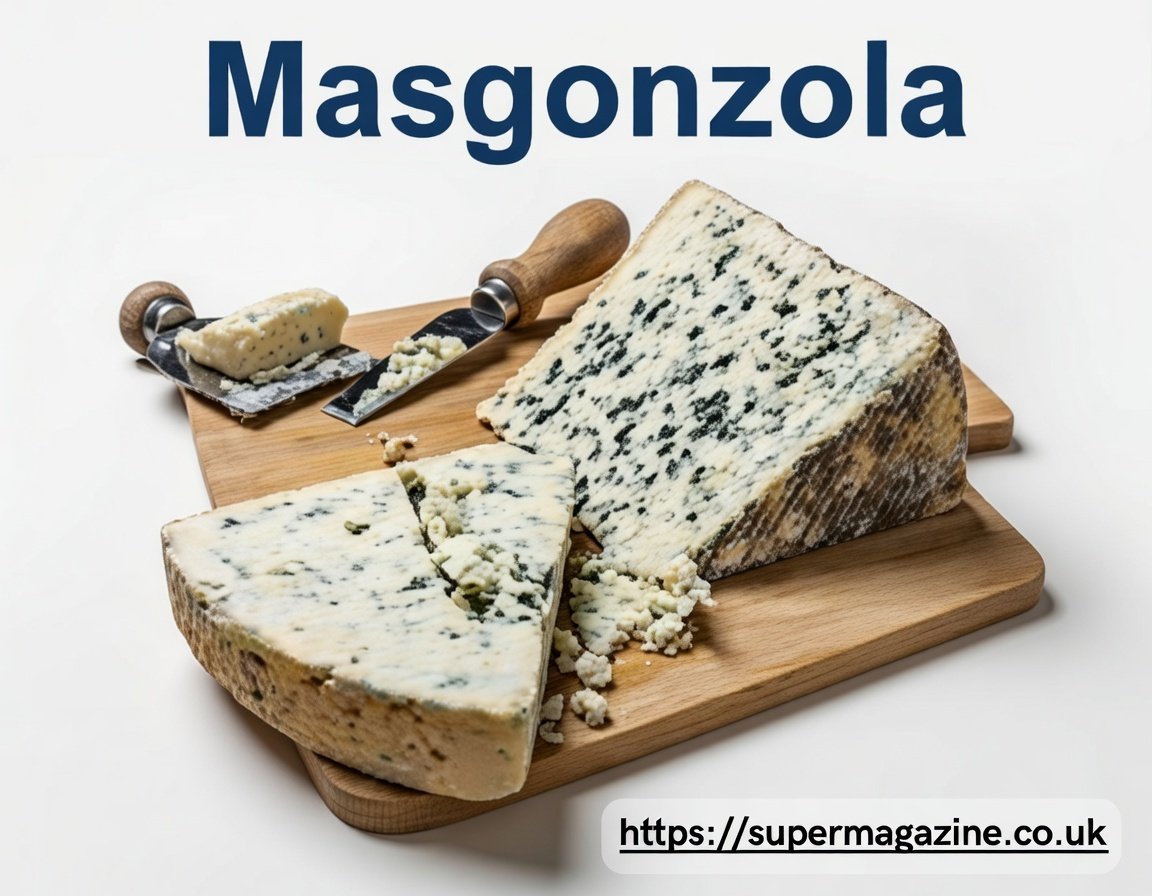
The texture of Masgonzola is one of its most appealing qualities. It is soft, smooth, and easily spreadable, often resembling whipped butter or thick cream cheese. The appearance typically features a pale ivory base streaked with subtle blue veins inherited from the Gorgonzola. Because mascarpone reduces the crumbly nature of traditional blue cheese, Masgonzola maintains a cohesive and creamy consistency that works beautifully in both cold and hot dishes.
How Masgonzola Is Made
Masgonzola is typically created by blending Gorgonzola Dolce, the milder and creamier version of Gorgonzola, with fresh mascarpone. The ratio can vary depending on the desired strength of flavor. The cheeses are gently combined to maintain smoothness while distributing the blue veining evenly throughout the mixture. Unlike aged cheeses that require months of maturation, Masgonzola is ready for consumption soon after blending. Its freshness contributes to its soft texture and delicate balance of flavors.
Culinary Uses of Masgonzola
Masgonzola is exceptionally versatile in the kitchen. Its creamy consistency makes it ideal for spreading over crusty bread, crackers, or crostini. On cheese boards, it pairs beautifully with fruits such as pears and figs, as well as honey and toasted nuts. In warm dishes, Masgonzola melts smoothly into sauces for pasta or risotto, adding depth without overpowering other ingredients. It can be stirred into polenta, used as a filling for stuffed chicken, or spread onto gourmet pizzas with caramelized onions and prosciutto. Because of its balanced flavor, it enhances dishes rather than dominating them.
Masgonzola in Pasta and Sauces
When incorporated into pasta sauces, Masgonzola creates a velvety texture that coats noodles evenly. It works particularly well in cream-based sauces, where its mild tang complements mushrooms, spinach, walnuts, and pancetta. The cheese melts gently over low heat, forming a rich sauce that feels indulgent but not excessively sharp. Its balanced character allows chefs to experiment without the risk of an overpowering blue cheese taste.
Pairing Masgonzola with Wine and Beverages
Masgonzola pairs best with beverages that balance its richness. Slightly sweet white wines such as Riesling or Moscato complement its creamy and tangy profile. Light red wines like Pinot Noir can also provide a pleasant contrast without clashing with the cheese’s subtle complexity. Sparkling wines refresh the palate between bites, enhancing the experience. For non-alcoholic options, sparkling apple cider or pear juice offer a natural sweetness that pairs harmoniously with Masgonzola’s savory depth.
Nutritional Profile of Masgonzola
Masgonzola is a calorie-dense cheese due to its high fat content from both mascarpone and Gorgonzola. It provides protein, calcium, and beneficial dairy nutrients, making it a satisfying addition to meals in moderate portions. However, like most rich cheeses, it should be enjoyed thoughtfully due to its saturated fat and sodium levels. The presence of blue cheese cultures may also contribute trace probiotics, although it is primarily valued for its flavor and texture rather than health benefits.
How to Store Masgonzola
Proper storage is essential to preserve Masgonzola’s texture and flavor. It should be kept refrigerated in an airtight container to prevent it from drying out or absorbing odors from other foods. Wrapping it first in parchment paper and then in plastic wrap helps maintain freshness. For the best taste and texture, Masgonzola should be consumed within a week of opening. Allowing it to sit at room temperature for about fifteen minutes before serving enhances its creaminess and releases its full aroma.
Making Masgonzola at Home
Masgonzola can be prepared at home by blending equal parts or customized proportions of Gorgonzola Dolce and mascarpone. The cheeses should be softened at room temperature before gently mixing until smooth. Some home cooks add freshly cracked black pepper, chopped herbs, or a drizzle of honey for additional flavor. Homemade Masgonzola allows for control over the strength of the blue cheese element, making it adaptable to personal preference.
Why Masgonzola’s Appeals to Modern Palates
Contemporary food trends emphasize balance, texture, and accessibility, all of which Masgonzola delivers. Many consumers appreciate the depth of blue cheese but prefer a milder expression. Masgonzola satisfies this desire by offering complexity without overwhelming pungency. Its adaptability in both traditional Italian dishes and modern fusion cuisine makes it attractive to chefs and home cooks alike. As culinary experimentation continues to grow, Masgonzola represents a perfect example of innovation rooted in classic ingredients.
Masgonzola’s as a Gourmet Ingredient
Masgonzola has found a place in upscale dining and artisanal markets because it bridges tradition and creativity. It can elevate simple dishes into refined presentations, whether spread onto toasted bread with honey or folded into a luxurious risotto. Its creamy texture and balanced flavor make it suitable for entertaining, allowing hosts to serve a blue cheese that appeals to a wider audience. In many ways, Masgonzola’s embodies the idea of sophistication made approachable.
Conclusion
Masgonzola’s is a modern cheese blend that combines the bold heritage of Gorgonzola with the indulgent smoothness of mascarpone’s Creamy, balanced, and versatile, it offers a refined alternative to stronger blue cheeses while maintaining distinctive character. Whether enjoyed on a cheese board, melted into pasta, or incorporated into gourmet recipes, Masgonzola’s provides a harmonious fusion of flavor and texture. As more people seek approachable yet sophisticated ingredients, Masgonzola’s continues to grow in popularity as a delicious innovation inspired by Italian tradition.