










Soutaipasu: Meaning, Applications, and Cultural Significance
Introduction to Soutaipasu
“Soutaipasu” is a term that, while not universally recognized across all contexts, has applications in several areas, ranging from technology to cultural practices. It is sometimes used to refer to a relative path in computing, an approach to balance in lifestyle and philosophy, or a way of achieving harmony in everyday life. This article will explore the various meanings and uses of Soutaipasu, highlighting its significance in diverse fields such as technology, gastronomy, wellness, and philosophy.
1. The Origin and Linguistic Meaning of Soutaipasu
The word Soutaipasu seems to be derived from Japanese language concepts. In this context, the word can be broken down as follows:
Together, Soutaipasu can be interpreted as a relative path or a path in relation to another. This term is often used in the field of computing and web development to describe a method of addressing or referencing files and directories in a system relative to the current working directory.
In broader usage, the word Soutaipasu also evokes balance or harmony, suggesting a way of navigating the world or life by relating things to one another, rather than relying on absolute measures.
2. Soutaipasu in Technology: The Concept of Relative Paths
In the field of web development and programming, Soutaipasu is a crucial term that refers to a relative path used to reference files or resources within a website or application structure. It contrasts with an absolute path, which provides the full, complete address of a resource, starting from the root directory.
Relative Path Explained
A relative path refers to the location of a file relative to the current working directory. For example, if you are working in a directory called home projects website, and you want to reference an image located in you could simply use a relative path like instead of specifying the full path from the root directory, which would be p.
This concept of relative paths is fundamental for web development, especially when working with file systems where different folders and resources need to be linked dynamically. It allows developers to write more flexible code, making it easier to move projects around or deploy them to different environments without breaking links to resources.
3. Soutaipasu in Culinary Philosophy
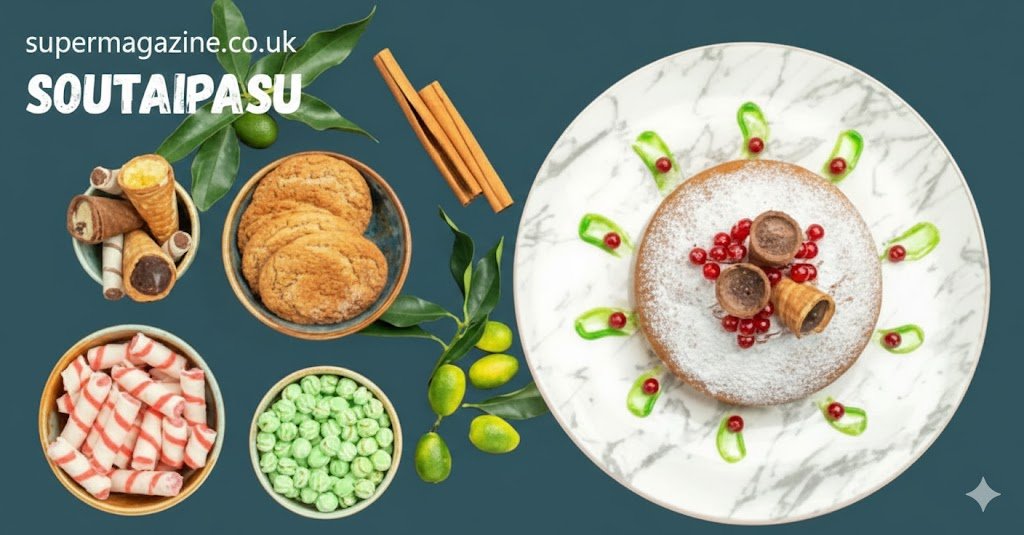
Beyond its technical uses, Soutaipasu also resonates in the culinary world, particularly in Japanese cuisine. It is sometimes used to describe the approach of balancing flavors, textures, and ingredients to create a harmonious dish. The idea is not just about taste but also the visual and sensory experience.
Balance in Ingredients
In Soutaipasu cuisine, the philosophy revolves around achieving a balance between contrasting elements. For example, in a traditional Japanese meal, the combination of sweet, salty, bitter, and umami is crucial for creating an enjoyable dining experience. Chefs aim to blend these flavors in such a way that each one complements the others, creating an overall sense of balance on the palate.
This approach can also extend to the presentation of dishes, where the arrangement of ingredients is done thoughtfully to create a visual balance, paying attention to colors, textures, and the placement of food on the plate. Soutaipasu in cooking encourages an intentional and mindful approach to food preparation, where the goal is to evoke a sense of harmony between ingredients, textures, and visual appeal.
4. Soutaipasu in Lifestyle and Philosophy
Soutaipasu can also be interpreted as a philosophical concept that encourages living in a way that balances work, personal life, and mental well-being. It embodies the idea that individuals should adapt to life’s changes in a way that promotes harmony and balance.
Philosophy of Balance and Adaptability
In this context, Soutaipasu suggests a lifestyle where individuals actively seek to maintain an equilibrium between their physical, mental, and emotional states. It is about finding a middle ground that does not lean too much toward any extreme, whether it be overworking, overindulging, or neglecting personal needs.
In a philosophical sense, Soutaipasu teaches individuals to be adaptable in the face of challenges. Much like how a relative path in computing adjusts itself according to the current working directory, individuals are encouraged to adapt their approach to life based on their current situation and needs, rather than rigidly sticking to predetermined paths.
5. Soutaipasu in Popular Culture and Wellness
In modern wellness culture, Soutaipasu has also become a metaphor for maintaining balance in life. With growing interest in mindfulness and self-care, many people are adopting Soutaipasu-like principles in their daily routines. This involves practicing habits such as:
- Mindful eating, where individuals are encouraged to savor their food and appreciate the balance of nutrients and flavors.
- Work-life harmony, which focuses on managing time and energy so that personal, professional, and social lives can coexist without conflict.
- Mental clarity through practices like meditation or yoga that emphasize finding balance within oneself.
These modern applications of Soutaipasu align with the broader trend of seeking holistic well-being and finding personal peace through balanced living.
6. The Future of Soutaipasu: Global Influence
As technology continues to evolve and culinary practices become more globalized, the concept of Soutaipasu may spread beyond its traditional boundaries. From its roots in Japanese culture to global culinary practices, wellness trends, and programming, the idea of balance and adaptation is becoming universally recognized.
In the Digital Age
In the digital world, Soutaipasu as a relative path could gain even more significance with the growth of cloud computing and distributed systems. As more projects are built on decentralized platforms, the need for flexible linking and adaptability will increase, making relative paths an essential concept for developers and businesses.
In Culinary Arts
On the culinary front, Soutaipasu is likely to continue influencing chefs and food cultures around the world. As people become more aware of the importance of food balance and health-conscious eating, this philosophy can inspire future food trends centered around sustainability, nutrition, and taste harmony.
Conclusion
Soutaipasu is a multifaceted concept that bridges the worlds of technology, culinary arts, and personal well-being. Whether you are navigating the complexities of a digital project with relative paths, crafting a perfectly balanced dish, or seeking harmony in your own life, Soutaipasu offers a timeless philosophy of balance, adaptability, and interconnection. As the world continues to evolve, the principles embodied by Soutaipasu will likely remain a guiding force, inspiring individuals to live in a way that is harmonious with both themselves and the world around them.