










Supermaked: Meaning, Evolution, Features, and the Future of Modern Retail
Introduction
Supermaked is a modern retail term increasingly used to describe a full-service grocery store concept that blends the traditional supermarket model with enhanced convenience, customer experience, and localized branding. While the word may appear to be a variation of “supermarket,” Supermaked represents more than a simple spelling difference. It reflects a shift in how grocery retail operates in a digital, experience-driven, and convenience-focused era.
In today’s fast-paced world, consumers expect more than just shelves filled with products. They want efficiency, accessibility, affordability, and sometimes even personalization. Supermaked captures this evolving retail philosophy. It represents a grocery environment designed to meet daily needs while adapting to changing consumer behavior, technological innovation, and sustainability demands.
This comprehensive guide explores the meaning of Supermaked, its origins, how it compares to traditional supermarkets, the features that define it, its business model, customer appeal, technological integration, sustainability considerations, and what the future holds for this retail concept.
Understanding the Meaning of Supermaked
Supermaked can be understood as a contemporary grocery retail model that operates similarly to a supermarket but often emphasizes community focus, accessibility, and customer-centric service. It typically offers a wide range of groceries, beverages, fresh produce, household products, and essential items under one roof.
At its core, Supermaked functions as a one-stop shop. Customers can purchase fruits, vegetables, dairy, packaged foods, snacks, cleaning supplies, toiletries, and more without needing to visit multiple stores. However, unlike large corporate supermarket chains, a Supermaked often projects a more approachable, localized, or independent brand identity.
The term may also appear in multilingual or international contexts where variations of “supermarket” are spelled differently. In some European languages, similar spellings are commonly used, making Supermaked feel familiar while still distinct.
The Evolution from Traditional Markets to Supermaked
To fully understand Supermaked, it is helpful to explore the evolution of grocery retail.
Historically, consumers shopped at local markets where goods were sold by specialized vendors—bakery items from one shop, produce from another, meat from a butcher. This fragmented system required multiple stops and time-consuming routines.
The introduction of the supermarket model revolutionized shopping by consolidating these goods into one large, self-service store. Supermarkets offered convenience, variety, and competitive pricing through bulk purchasing.
Supermaked represents the next stage in this evolution. It combines the scale and efficiency of supermarkets with modern expectations:
- Faster checkout systems
- Organized store layouts
- Competitive pricing
- Technology integration
- Enhanced customer experience
- Local branding and accessibility
This hybrid model meets the demands of today’s consumer, who values both convenience and connection.
Core Features of a Supermaked
Supermaked stores share several defining characteristics that distinguish them from small corner shops or massive hypermarkets.
A Supermaked typically offers a broad assortment of grocery and household items. This includes fresh produce, dairy products, packaged foods, frozen goods, beverages, snacks, toiletries, and cleaning supplies. The goal is to cover everyday essentials comprehensively.
The layout is generally organized into clearly marked aisles. Categories such as produce, meat, frozen foods, bakery items, beverages, and household products are logically arranged to make shopping efficient and intuitive.
Self-service remains central to the experience. Customers browse independently, select items, and proceed to checkout counters or self-checkout stations.
Pricing strategies often focus on competitiveness. Promotions, weekly discounts, bundle deals, and value-based pricing encourage repeat visits and larger basket sizes.
Many Supermaked stores emphasize customer service. While not as impersonal as large corporate chains, they aim to create a welcoming atmosphere with helpful staff and community-oriented branding.
What Customers Can Expect to Find in a Supermaked
A well-stocked Supermaked provides a comprehensive selection of goods that support daily life.
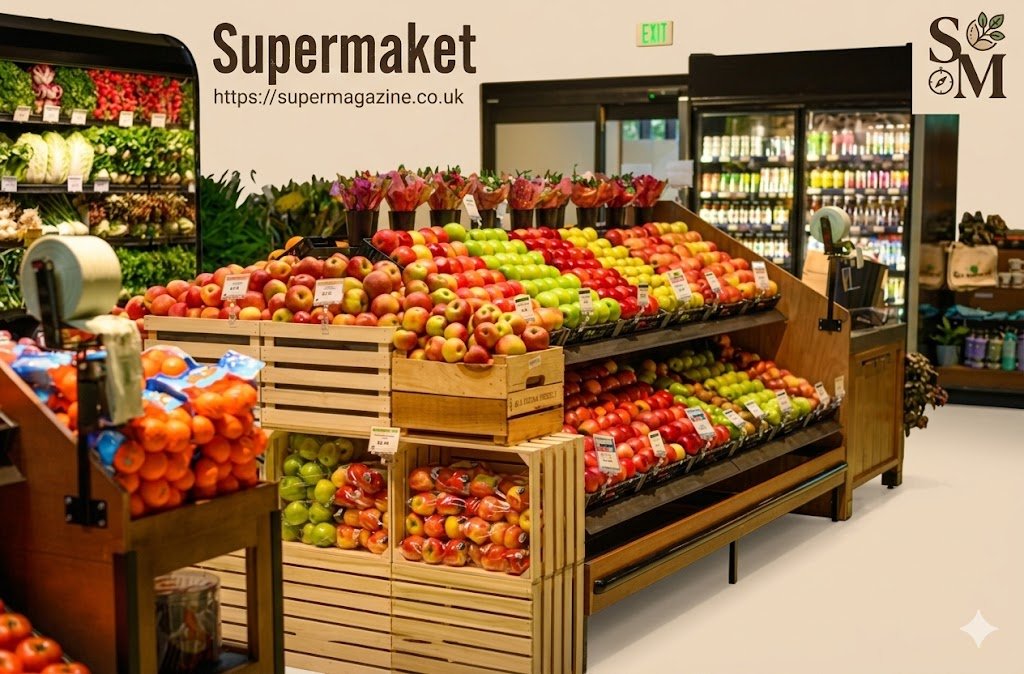
Fresh fruits and vegetables often occupy a prominent area near the entrance, offering seasonal and staple produce options. Dairy sections typically include milk, cheese, butter, yogurt, and eggs. Meat and poultry may be available fresh or packaged, depending on store size.
Pantry staples such as rice, pasta, canned goods, flour, cooking oil, sauces, spices, and cereals form the backbone of grocery shopping. Snacks, confectionery, ready-to-eat meals, and beverages add convenience options for busy lifestyles.
Household products such as detergents, paper goods, toiletries, pet supplies, and cleaning agents allow shoppers to complete their entire list in one visit.
The key advantage of Supermaked is consolidation. Rather than visiting separate stores for different needs, customers accomplish everything in one location.
Supermaked and Consumer Behavior
Modern consumer behavior has shifted significantly over the past two decades. Shoppers now prioritize speed, accessibility, and convenience. Many households no longer dedicate entire days to grocery shopping. Instead, they prefer efficient, targeted visits.
Supermaked fits seamlessly into this lifestyle. Its structured layout, clear signage, and one-stop-shop model reduce time spent browsing unnecessarily. Customers can enter, locate items quickly, and check out without complications.
Additionally, repeat visits are common. Instead of a single large weekly shopping trip, many consumers prefer smaller, more frequent trips to replenish essentials. Supermaked supports this habit by offering proximity and streamlined service.
In urban and suburban areas, Supermaked locations often become part of daily routines—visited after work, during lunch breaks, or on weekends.
The Business Model Behind Supermaked
From a business perspective, Supermaked thrives on a balance between volume and localization.
By offering a wide range of goods, stores encourage customers to increase basket size. Bulk purchasing from suppliers allows competitive pricing while maintaining margins.
Localized branding helps differentiate Supermaked from national chains. Independent ownership or community-based positioning fosters customer loyalty. When shoppers feel connected to a store, they are more likely to return regularly.
Operational efficiency is another cornerstone. Organized inventory systems, predictable supply chains, and demand forecasting ensure shelves remain stocked without excessive waste.
Promotional strategies such as loyalty programs, seasonal discounts, and bundled deals further stimulate repeat business.
Technology Integration in Supermaked
Retail technology has reshaped grocery shopping. Supermaked stores increasingly incorporate digital tools to improve efficiency and customer satisfaction.
Self-checkout kiosks reduce waiting times and enhance convenience. Digital price displays allow dynamic pricing adjustments and clearer labeling.
Mobile applications may offer digital receipts, loyalty rewards, personalized discounts, and shopping list integration.
Some advanced Supermaked concepts experiment with smart shelving, real-time inventory tracking, and even cashier-less checkout systems.
Technology integration does not eliminate the human element but enhances operational smoothness and customer experience.
Sustainability and Environmental Considerations
Environmental awareness plays a growing role in retail. Consumers increasingly prefer stores that demonstrate responsible practices.
Supermaked models often respond by reducing single-use plastics, encouraging reusable bags, sourcing from local suppliers, and implementing energy-efficient lighting systems.
LED lighting upgrades, optimized refrigeration systems, and waste reduction strategies contribute to lower environmental impact.
Local sourcing reduces transportation emissions and strengthens community ties, creating a mutually beneficial supply network.
Sustainability is no longer optional—it is becoming an expectation. Supermaked stores that prioritize eco-friendly operations strengthen brand trust and long-term viability.
Supermaked vs. Hypermarkets and Convenience Stores
Supermaked occupies a middle ground between hypermarkets and small convenience stores.
Hypermarkets are massive retail spaces combining groceries with electronics, clothing, furniture, and more. While they offer extensive variety, they can be overwhelming and time-consuming to navigate.
Convenience stores are small and accessible but limited in product selection and often higher in pricing.
Supermaked combines the strengths of both. It provides a comprehensive grocery selection without the overwhelming scale of hypermarkets. At the same time, it offers broader variety and better pricing than small convenience shops.
This balance makes Supermaked appealing to a wide demographic.
The Role of Branding in Supermaked
Brand identity is central to the Supermaked concept. While traditional supermarket chains often rely on corporate branding, Supermaked may focus on approachable and community-oriented imagery.
Store design often emphasizes cleanliness, organized displays, and accessible signage. Friendly staff interactions reinforce the idea of personalized service.
Brand messaging frequently highlights convenience, value, freshness, and local connection.
By building a recognizable yet relatable identity, Supermaked differentiates itself in competitive retail markets.
Economic Impact of Supermaked’s
Supermaked stores contribute to local economies by creating employment opportunities, supporting regional suppliers, and generating tax revenue.
Local hiring strengthens community ties. Partnerships with nearby farms or food producers boost regional economic activity.
Additionally, the presence of a reliable grocery store can increase neighborhood property values and overall accessibility.
Retail hubs such as Supermaked often become anchors in commercial districts, attracting complementary businesses nearby.
Challenges Facing Supermaked’s
Despite its advantages, Supermaked faces challenges common to modern retail.
Competition from major supermarket chains can pressure pricing and profit margins. Online grocery platforms present an alternative shopping method that reduces foot traffic.
Supply chain disruptions, inflation, and rising operational costs can impact inventory management and pricing strategies.
To remain competitive, Supermaked stores must continuously adapt—integrating technology, refining logistics, and enhancing customer experience.
The Future of Supermaked
The future of Supermaked lies in flexibility and innovation. As consumer expectations evolve, stores must blend physical presence with digital convenience.
Click-and-collect services, online ordering with in-store pickup, and hybrid retail models are likely to become more common.
Data-driven personalization may allow targeted promotions tailored to individual shopping habits.
Sustainability initiatives will expand, with greater focus on renewable energy, zero-waste policies, and eco-conscious sourcing.
Ultimately, Supermaked will continue evolving as a dynamic response to modern grocery needs.
Conclusion
Supermaked’s represents a contemporary interpretation of the supermarket model—one that prioritizes convenience, community connection, operational efficiency, and adaptability.
By offering a wide range of essential goods under one roof, maintaining competitive pricing, integrating technology, and responding to environmental concerns, Supermaked’s aligns with modern consumer expectations.
It occupies a strategic middle ground between hypermarkets and convenience stores, delivering both variety and accessibility.
As retail continues to evolve, Supermaked’s stands as a symbol of grocery innovation—balancing tradition with progress, scale with personalization, and efficiency with experience.